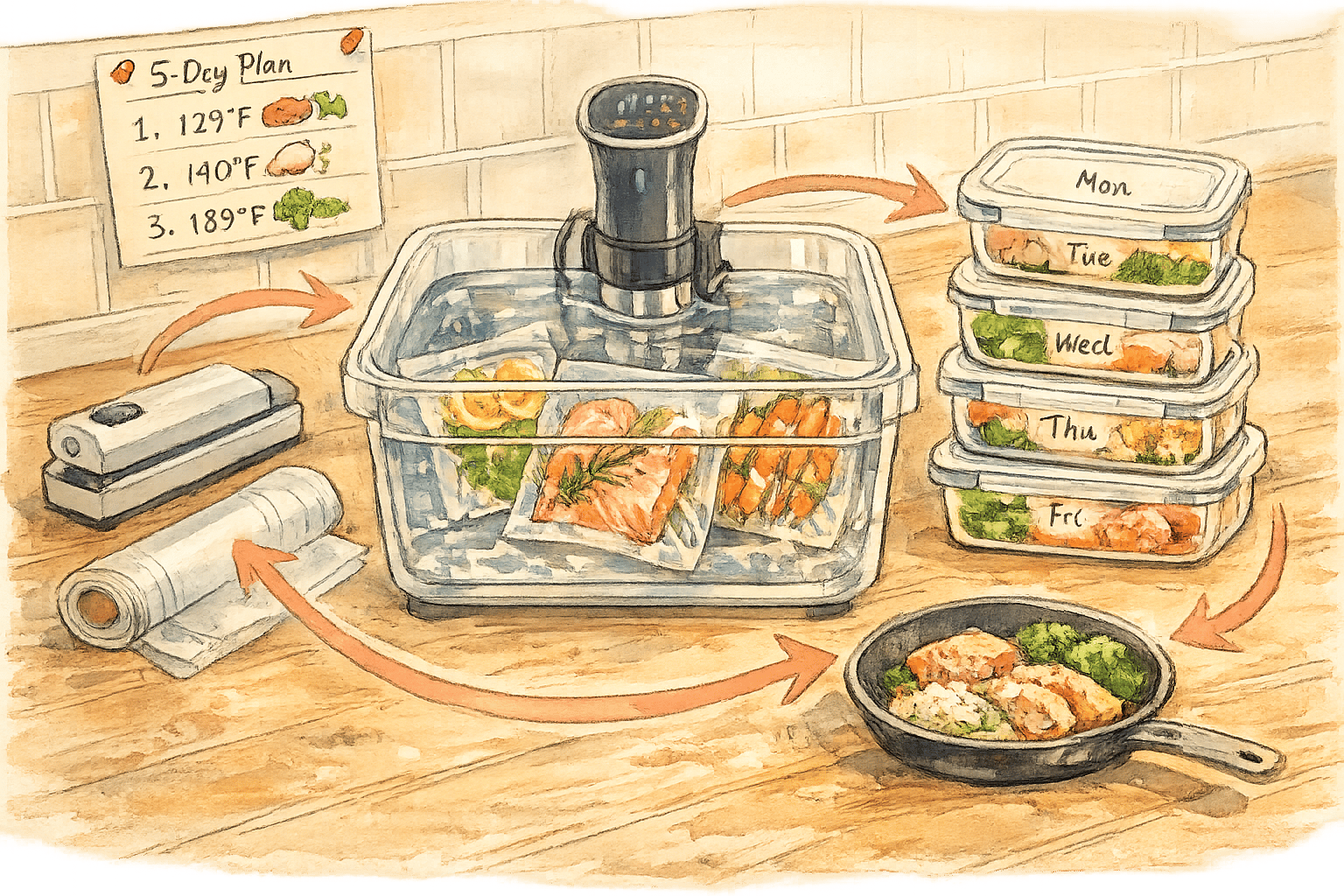
In the dynamic world of home culinary arts, one technique stands out for its promise of unparalleled precision and consistent perfection: sous vide cooking. Far from being a fleeting trend, this method has cemented its place among home chefs and aspiring gourmands alike, eager to unlock restaurant-quality results in their own kitchens. If you're ready to elevate your cooking, embarking on a journey to master this innovative technique begins with a comprehensive guide to sous vide cooking.
Sous vide offers a revolutionary approach to preparing meals, ensuring every dish is cooked to its exact desired doneness, retaining moisture, flavor, and nutrients like no other method. Say goodbye to overcooked exteriors and undercooked interiors; with sous vide, precision is paramount, and perfection is the default.
Unveiling the Mystery: What Exactly is Sous Vide Cooking?
The term "sous vide" itself, translating from French as "under vacuum," encapsulates the core principle of this cooking method. At its heart, sous vide involves sealing food—be it a succulent steak, delicate fish, vibrant vegetables, or even indulgent desserts—in an airtight bag. This vacuum-sealed package is then submerged in a precisely controlled water bath, maintained at a specific, constant temperature.
Unlike traditional cooking methods, which expose food to fluctuating and often high temperatures (think searing in a pan or roasting in an oven), sous vide operates with surgical accuracy. The water bath ensures that the food cooks evenly from edge to edge, gradually reaching and holding its target temperature without ever exceeding it. This gentle, consistent heat transfer is the secret to achieving perfectly tender meats, flaky fish, and vegetables with ideal texture and vibrant color, every single time. The result is a level of consistency and quality that is remarkably difficult to achieve through conventional means.
Your Essential Toolkit: Equipment for Sous Vide Success
To embark on your sous vide adventure, you'll need a few key pieces of equipment. While the market offers a range from budget-friendly to high-end, even entry-level setups can deliver exceptional results. Understanding these tools is fundamental to any comprehensive Sous Vide 101: Essential Equipment & Techniques for Beginners.
1. The Heart of Precision: The Sous Vide Immersion Circulator
The immersion circulator is, without a doubt, the most critical piece of equipment. This ingenious device clips onto the side of almost any pot or container, heating the water to your exact desired temperature and then circulating it to ensure uniform heat distribution throughout the bath. When selecting an immersion circulator, consider these aspects:
- Wattage: Higher wattage models (e.g., 1000-1200W) heat water faster and recover temperature more quickly, which is beneficial for larger water baths or when cooking in colder environments.
- Temperature Range and Stability: Look for a model that can maintain a steady temperature across a broad range, typically 32°F to 195°F (0°C to 90°C). Accuracy is paramount; a good circulator will hold temperatures within a fraction of a degree.
- User Interface and Connectivity: Many modern circulators feature intuitive digital displays and smart controls, often with Bluetooth or Wi-Fi connectivity. These allow you to set temperatures, monitor cooking progress, and even access recipes directly from your smartphone, making your cooking experience smoother. For an in-depth look, consult our Sous Vide Setup: Choosing Your Immersion Circulator & Sealer.
2. The Seal of Flavor: Vacuum Sealers
A vacuum sealer is crucial for removing air from your cooking bags. This serves multiple vital functions: it ensures efficient heat transfer from the water to your food, prevents the food from floating (which can lead to uneven cooking), and helps to lock in moisture and flavors, allowing marinades to penetrate deeply. While dedicated vacuum sealers are highly recommended, for beginners, the water displacement method using a sturdy, freezer-safe zipper-top bag can serve as an effective temporary alternative.
Key considerations for vacuum sealers include:
- Sealing Capability: Ensure it can handle both dry and moist foods effectively. Some advanced models even feature a pulse function for delicate items or can seal bags containing liquids without drawing them into the machine.
- Bag Compatibility: Check that the sealer works with a variety of sous vide-specific bags or rolls. These bags are designed to be food-safe, BPA-free, and withstand prolonged exposure to heat without leaching chemicals into your food.
3. The Vessel: Sous Vide Bags and Water Bath Containers
Choosing the right vessel and bags is essential. For bags, always opt for food-grade, heat-safe options. While dedicated vacuum sealer bags are ideal, high-quality, freezer-safe zipper-top bags (ensure they are BPA-free) can also work for many applications, especially with the water displacement method.
For the water bath itself, you have several options:
- Large Stock Pot: A simple, deep stock pot you already own can serve as an excellent starting point.
- Dedicated Sous Vide Container: These are often made from clear polycarbonate, allowing you to easily monitor your food. Many come with custom-fit lids to minimize water evaporation over long cooking times.
Regardless of your choice, ensure the container is deep enough to fully submerge your food and wide enough to allow for good water circulation around the bags.
Beyond the Basics: Techniques for Mastering Your Sous Vide Cuisine
While the equipment lays the foundation, understanding basic techniques will elevate your sous vide results from good to truly gourmet.
- Pre-Searing vs. Post-Searing: For meats like steak or chicken, a quick sear (either before or, more commonly, after the sous vide bath) is essential. The sous vide process achieves perfect internal doneness, but a high-heat sear creates a delicious, caramelized crust via the Maillard reaction, adding texture and depth of flavor that the water bath cannot.
- Seasoning: Season your food generously before sealing. Salt, pepper, herbs, and spices will infuse deeply during the slow cooking process. Be mindful with certain spices; some can become overly potent when sealed.
- Temperature and Time Charts: Mastering sous vide involves understanding the precise temperature and time required for different foods to reach specific doneness levels. There are many reliable charts available online that serve as an invaluable guide to sous vide cooking parameters for various proteins and vegetables.
- Food Safety: Always follow recommended food safety guidelines. Ensure your food reaches and maintains safe temperatures, especially for poultry and pork. Rapidly chill any cooked food you intend to store for later consumption using an ice bath.
- Preventing Float: If your sealed bags tend to float, use sous vide weights, clips, or even a heavy plate on top of the bags to keep them fully submerged for even cooking.
Why Sous Vide is a Game-Changer for Home Chefs
The appeal of sous vide extends far beyond its scientific precision. It empowers home chefs with several key advantages:
- Unrivaled Consistency: Every meal, every time, cooked exactly how you like it. No more guesswork or cross-your-fingers cooking.
- Enhanced Flavor and Moisture: The vacuum seal and gentle cooking preserve the natural juices and flavors of your ingredients, resulting in incredibly tender and succulent dishes.
- Flexibility and Convenience: You can cook ingredients hours, or even days, in advance. A perfectly cooked steak can wait in the water bath until you're ready to sear and serve, reducing stress during meal prep or dinner parties.
- Creative Freedom: Beyond traditional proteins, sous vide opens doors to perfectly poached eggs, infused oils, creamy custards, and even flawless homemade yogurt.
Embracing sous vide is more than just learning a new technique; it's adopting a philosophy of cooking that prioritizes consistency, quality, and culinary excellence. It transforms mundane ingredients into extraordinary meals, allowing even novice cooks to achieve results that would impress seasoned professionals.
In conclusion, mastering sous vide cooking is an incredibly rewarding endeavor that promises to revolutionize your kitchen. With the right equipment, a grasp of fundamental techniques, and a dash of culinary curiosity, you’ll be well on your way to achieving perfectly cooked meals with unparalleled precision and consistency. This comprehensive guide to sous vide cooking serves as your starting point, inviting you to explore the endless possibilities this innovative method has to offer. Dive in, experiment, and prepare to be amazed by the delicious outcomes.
