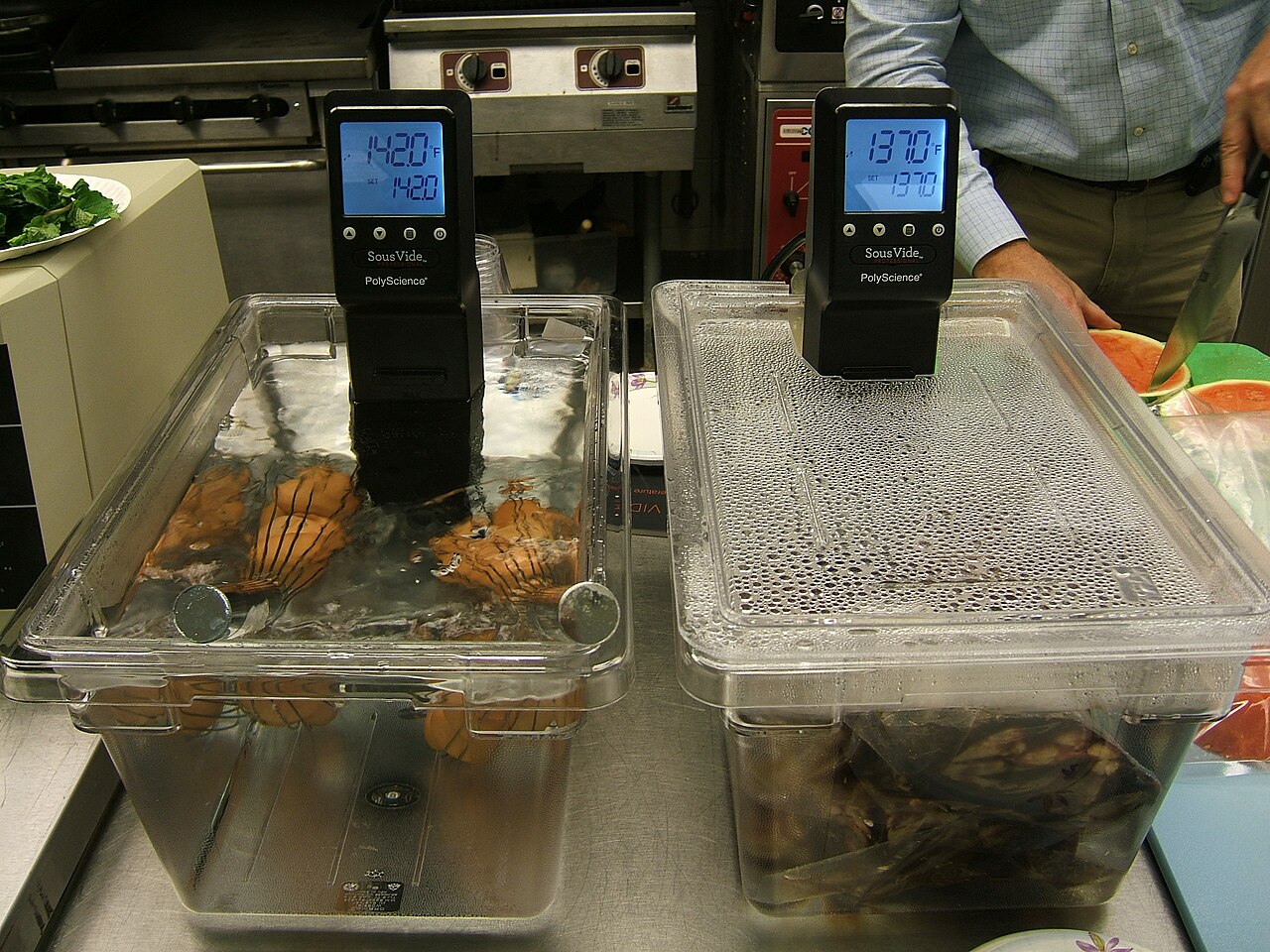
Sous vide cooking has captivated home chefs and culinary enthusiasts worldwide, transforming the way we think about precision and consistency in the kitchen. This innovative method, which translates from French as "under vacuum," promises perfectly cooked meals every time, leveraging exact temperature control and vacuum-sealed ingredients. If you're eager to embark on this culinary adventure, a well-chosen setup is paramount. This comprehensive guide to sous vide cooking will walk you through the critical decisions of selecting your immersion circulator and vacuum sealer, ensuring you build a foundation for delicious success. For a broader overview of starting your journey, explore our Sous Vide 101: Essential Equipment & Techniques for Beginners.
The Heart of Your Kitchen: Choosing the Right Immersion Circulator
The immersion circulator is the undisputed star of your sous vide setup. This ingenious device is responsible for heating your water bath to the precise temperature required for your dish and maintaining that temperature with unwavering accuracy, circulating the water to ensure even cooking throughout. Think of it as the brain and muscle of your sous vide system.
Key Considerations for Immersion Circulators:
- Wattage & Heating Speed: Higher wattage typically translates to faster heating times and better temperature recovery, especially crucial when adding colder food to the bath or working with larger water volumes.
- Lower wattage (800-1000W): Often sufficient for smaller water baths (up to 5-8 liters) and single portions. They are usually more budget-friendly.
- Higher wattage (1100-1500W): Ideal for larger containers (10+ liters), cooking for families or parties, and recipes that demand rapid temperature changes. They offer more robust performance and consistency.
- Temperature Range & Accuracy: Look for models that can accurately maintain temperatures between 32°F to 195°F (0°C to 90°C). Most sous vide recipes fall comfortably within this range. More importantly, consider the device's temperature stability – how well it holds the set temperature without significant fluctuations. Precision to within 0.1°F is ideal for optimal results.
- User Interface & Connectivity: Modern immersion circulators come with various control options:
- Digital Displays & Manual Controls: Easy-to-read screens and intuitive buttons are standard. Ensure the interface is straightforward and user-friendly.
- Smart Features (Bluetooth/Wi-Fi): Many advanced models offer app connectivity, allowing you to set temperatures, monitor progress, and receive notifications remotely from your smartphone. This can be incredibly convenient for longer cooks or when multitasking around the house. However, ensure the app is reliable and well-supported.
- Timer Functions: Essential for tracking cooking durations, often with audible alerts when cooking is complete.
- Ergonomics & Design:
- Attachment Mechanism: Does it clip securely to various pot sizes? A sturdy, adjustable clamp is crucial.
- Size & Storage: Some circulators are more compact than others, which can be a factor if kitchen storage space is limited.
- Ease of Cleaning: Can the heating coil be easily cleaned or descaled? Some have removable skirts for easier maintenance.
- Safety Features: Essential features include automatic shut-off in case of low water levels or overheating, which protects both the device and your home.
- Noise Level: While generally quiet, some models circulate water more audibly than others. If you're sensitive to kitchen noise, look for reviews that comment on this aspect.
- Brand Reputation & Warranty: Investing in a reputable brand often means better build quality, reliable customer support, and a solid warranty, providing peace of mind.
Sealing the Deal: Selecting Your Vacuum Sealer
While the immersion circulator controls the heat, the vacuum sealer is equally vital for creating the ideal environment for your food. By removing air from the bag, it ensures maximum contact between the food and the temperature-controlled water, enhancing heat transfer, preserving flavors, and preventing food from floating. This step is a cornerstone of our guide to sous vide cooking.
Factors to Weigh When Choosing a Vacuum Sealer:
- Type of Sealer:
- External Clamp Sealers: These are the most common and budget-friendly for home use. They work by drawing air out of a bag placed outside the machine, then heat-sealing it. They are excellent for most sous vide applications.
- Chamber Sealers: Typically larger, more expensive, and used in professional settings. They create a vacuum within a chamber, allowing them to seal bags with liquids or delicate items without crushing them. While superior, they are often overkill for the average home chef.
- Sealing Capability (Moist vs. Dry Foods): This is a critical factor for sous vide. Many sous vide recipes involve marinades, sauces, or naturally moist foods.
- Moist/Liquid Settings: Look for sealers with a "moist" or "liquid" setting, which adjusts the sealing time to prevent moisture from compromising the seal.
- Drip Tray/Liquid Trap: A removable drip tray is invaluable for collecting any liquids that get pulled into the machine, making cleanup easy and protecting the motor.
- Pulse Function: Allows you to manually control the vacuum strength, perfect for delicate foods or when dealing with liquids close to the seal line, preventing them from being sucked out.
- Bag Compatibility & Cost:
- Proprietary vs. Universal Bags: Some brands require specific, often more expensive, proprietary bags. Others are compatible with generic textured vacuum sealer bags and rolls, offering more flexibility and cost savings over time.
- Rolls vs. Pre-Cut Bags: Rolls allow you to customize bag size, minimizing waste. Pre-cut bags are convenient for standard portions. Consider getting both to cover all your needs.
- Material: Ensure bags are food-grade, BPA-free, and designed to withstand sous vide temperatures without leaching chemicals.
- Ease of Use & Cleaning:
- One-Touch Operation: Simple controls can make a big difference in daily use.
- Removable Parts: A removable drip tray and heat strip cover facilitate easy cleaning, especially after sealing moist items.
- Additional Features:
- Accessory Port: Allows you to use attachments for vacuum-sealing canisters, containers, or wine bottles – great for marinating or food storage.
- Built-in Bag Cutter & Storage: Handy for creating custom-sized bags from rolls and keeping them organized.
Beyond the Basics: Essential Tips for Your Sous Vide Setup
While the circulator and sealer are your core components, a few additional considerations can elevate your experience and ensure you Achieve Perfect Meals: The Sous Vide Secret to Precision Cooking.
- Choosing Your Water Bath Container: You don't necessarily need a specialized container to start. A large stock pot works well. However, dedicated sous vide containers (often polycarbonate) with fitted lids offer superior insulation, reduce evaporation during long cooks, and are often clearer, allowing you to see your food. Lids with cutouts for the circulator are particularly convenient.
- Water Displacement Method: If a vacuum sealer isn't in your immediate budget, you can use the "water displacement method" with heavy-duty Ziploc-style freezer bags. Submerge the bag with food almost entirely in water, allowing the water pressure to push the air out before sealing the zip-top. While effective for many applications, it doesn't create as strong a vacuum as a dedicated sealer and isn't ideal for very long cooks or extremely delicate items.
- Budgeting for Your Setup: Sous vide equipment ranges from budget-friendly to high-end. You can find excellent starter immersion circulators for under $100 and decent external vacuum sealers for a similar price. Consider starter kits that bundle a circulator and sealer, as they can sometimes offer better value. Prioritize functionality and reliability over excessive features you might not use.
- Calibration Checks: For the truly meticulous home chef, periodically checking your immersion circulator's temperature accuracy with a high-quality, calibrated thermometer can ensure optimal precision. While most modern circulators are highly accurate out of the box, slight deviations can occur over time.
Embarking on your sous vide journey is an exciting step towards culinary excellence. By carefully selecting your immersion circulator and vacuum sealer based on your specific needs and cooking habits, you're investing in a setup that will consistently deliver restaurant-quality results in your own kitchen. Whether you're perfectly poaching eggs, achieving succulent steaks, or tenderizing vegetables, the right equipment makes all the difference. Happy cooking!
