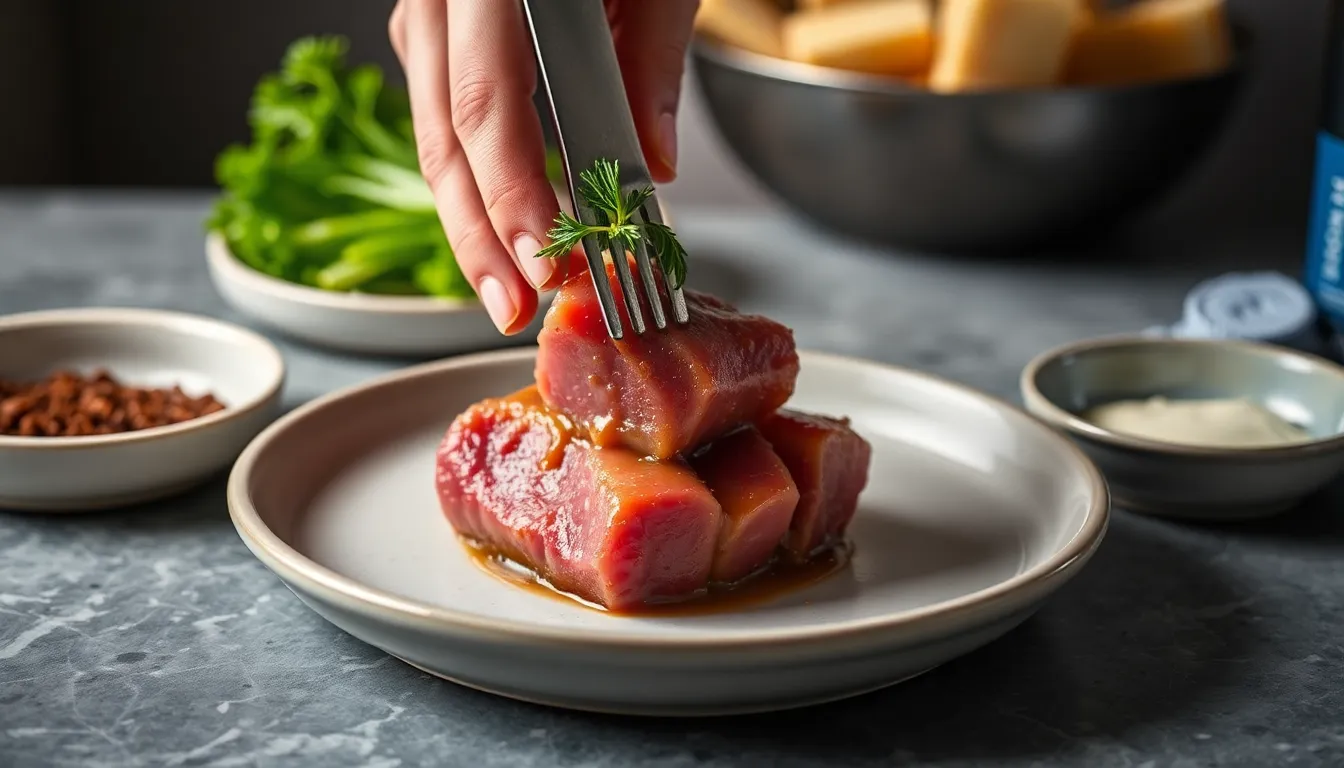
Sous Vide 101: Essential Equipment & Techniques for Beginners
In the vibrant world of culinary innovation, one technique has emerged as a game-changer for home chefs and seasoned professionals alike: sous vide. This method, celebrated for its precision and consistency, allows you to achieve perfectly cooked meals with unmatched tenderness and flavor, transforming everyday ingredients into gourmet masterpieces. If you're eager to unlock a new level of culinary excellence, this comprehensive guide to sous vide cooking is your starting point, designed to equip you with the knowledge of essential equipment and fundamental techniques for beginners.
What is Sous Vide Cooking?
The term "sous vide" translates from French as "under vacuum," perfectly encapsulating the core principle of this cooking method. At its heart, sous vide involves sealing food in an airtight bag and immersing it in a precisely controlled water bath. Unlike traditional cooking methods that expose food to varying temperatures – often leading to an overcooked exterior and an undercooked interior – sous vide maintains a consistent temperature throughout the entire cooking process. This gentle, even heat ensures that your food cooks uniformly from edge to edge, retaining its natural moisture, nutrients, and intense flavors.
Imagine a perfectly medium-rare steak, pink and juicy from crust to core, every single time. Or vegetables that are tender-crisp, bursting with natural sweetness. This consistency is the hallmark of sous vide. It eliminates the guesswork, making it nearly impossible to overcook your food, and opens up a world of possibilities for everything from delicate fish to hearty roasts and even desserts. For a deeper dive into the science behind this precision, explore how sous vide can help you Achieve Perfect Meals: The Sous Vide Secret to Precision Cooking.
Essential Equipment for Your Sous Vide Journey
Embarking on your sous vide adventure requires a few key pieces of equipment. While professional setups can be extensive, beginners can start with a relatively simple and budget-friendly arrangement that still delivers outstanding results. Understanding each component is crucial for building your ideal sous vide workstation.
1. Sous Vide Immersion Circulator
The sous vide immersion circulator is undeniably the heart of your setup. This smart device clips onto the side of almost any pot or container, heating the water to your exact desired temperature and circulating it to ensure uniform heat distribution. When choosing an immersion circulator, consider these factors:
- Wattage: Higher wattage models (e.g., 1000-1200W) heat water faster, which is beneficial when preparing larger quantities of food or using a substantial water bath. For most home cooks, a mid-range wattage is perfectly adequate.
- Temperature Range and Accuracy: Look for a circulator that can maintain a steady temperature between 32°F to 195°F (0°C to 90°C), as most sous vide recipes fall within this range. Precision is paramount, so a device with minimal temperature fluctuation is key.
- User Interface and Connectivity: Many modern circulators feature digital displays, intuitive controls, and even smart capabilities (Wi-Fi or Bluetooth) that allow you to control and monitor your cook from a smartphone app. This can be incredibly convenient for longer cooking times or when you're multitasking.
- Safety Features: Ensure it has safeguards like automatic shut-off for low water levels to prevent damage to the unit or your countertop.
2. Vacuum Sealer
A vacuum sealer is crucial for effective sous vide cooking. By removing air from the bag, it ensures maximum contact between the food and the circulating water, which is vital for even cooking. The vacuum seal also prevents food from floating and locks in flavors and moisture. Options range from basic handheld models to sophisticated countertop units.
- Sealing Capability: Ensure your sealer can handle both moist and dry foods without issue. Some advanced models even have settings for "delicate" items or can create a liquid-friendly seal for marinated dishes.
- Bag Compatibility: Check that the sealer works with widely available, BPA-free, food-grade vacuum sealer bags designed to withstand high temperatures. While dedicated vacuum sealer bags offer the best performance, for beginners or those on a budget, the "water displacement method" (detailed below) with standard zip-top freezer bags can be a viable alternative.
3. Sous Vide Bags or Containers
Choosing the right vessel for your food and water bath is critical for successful sous vide cooking.
- Bags:
- Vacuum Sealer Bags: These are ideal for their robust, air-tight seal and durability, designed to withstand extended periods in hot water. They are typically BPA-free and food-safe.
- Heavy-Duty Zip-Top Freezer Bags: For an economical start, good quality, heavy-duty zip-top freezer bags (ensure they are BPA-free) can be used. The water displacement method is essential when using these to remove as much air as possible.
- Containers:
- Large Stock Pot: Any large kitchen pot (4-6 quarts or more) can serve as your water bath. Just ensure it's deep enough to fully immerse your food and the circulator.
- Dedicated Sous Vide Container: Many brands offer specialized clear plastic containers, often with custom-fit lids for circulators, which help reduce evaporation and maintain temperature.
- Cooler: For longer cooks or larger volumes, an insulated cooler makes an excellent water bath, drastically improving temperature stability and energy efficiency.
4. Other Useful Accessories
- Weights or Racks: If your food tends to float, weights (like ceramic plates or specialized sous vide weights) or a rack system can help keep everything submerged for even cooking.
- Insulated Cover: A lid or an insulated cover for your water bath can significantly reduce heat loss and evaporation during long cooks, saving energy and preventing your circulator from running dry.
- Cast Iron Pan or Blow Torch: While not part of the sous vide process itself, a high-quality cast iron pan or a culinary torch is essential for the "finishing" step – creating that desirable caramelized crust on meats and vegetables after they come out of the water bath.
Mastering Basic Sous Vide Techniques
Once you have your equipment, understanding the fundamental techniques is key to unlocking the full potential of sous vide.
1. Preparation is Key
Before sealing, properly prepare your food. This often involves seasoning generously with salt, pepper, and any desired herbs or spices. For meats, you can also add a tablespoon of oil or butter to the bag. Ensure food is portioned appropriately for even cooking and to fit comfortably in your bags.
2. Sealing Your Food
Using a Vacuum Sealer: Place your prepared food into a vacuum sealer bag, ensuring the top edge is clean and dry. Position the open end in the sealer and activate the vacuum and seal function. A good seal should be completely airtight, with no visible pockets of air around the food.
The Water Displacement Method (for zip-top bags): This is an ingenious technique for achieving a near-vacuum seal without a dedicated machine. Place your food in a high-quality, heavy-duty zip-top freezer bag. Slowly submerge the bag into a pot of water, leaving just the very top corner of the zipper open. The water pressure will push the air out of the bag. Once most of the air is expelled, carefully seal the remaining corner of the bag before fully submerging it.
3. Setting Up the Water Bath
Fill your chosen container with water. Attach your immersion circulator securely to the side, ensuring the minimum and maximum water level markings on the device are respected. Set the desired cooking temperature and time according to your recipe. Allow the circulator to bring the water to the target temperature before adding your food.
4. Cooking in the Water Bath
Once the water reaches the set temperature, carefully place your sealed food bags into the water bath, ensuring they are fully submerged. Avoid overcrowding the bath, as this can impede water circulation and lead to uneven cooking. For longer cooks, periodically check the water level and top up with hot water if necessary to prevent the circulator from running dry.
The beauty of sous vide is that precise temperature dictates doneness, while time dictates tenderness (for tougher cuts) or pasteurization (for safety). Don't worry about "overcooking" in the traditional sense; once food reaches its target internal temperature, it won't cook further, even if left in the bath for an extra hour or two.
5. Finishing (The Searing Secret)
While sous vide cooks food to perfect doneness, it doesn't create the desirable browned, crispy exterior that we associate with many dishes. This is where the "finishing" step comes in. After removing your food from the water bath, pat it thoroughly dry with paper towels – this is crucial for a good sear. Then, quickly sear it using one of these methods:
- Pan-Searing: Heat a cast iron or heavy-bottomed skillet over very high heat with a high smoke point oil (like avocado or grapeseed oil). Sear the food for 60-90 seconds per side, until a beautiful crust forms.
- Grilling: For a smoky flavor, quickly grill your sous vide food over high heat.
- Torch: A culinary torch can provide an incredibly even sear, especially useful for irregularly shaped items.
Work quickly to achieve a crust without re-cooking the interior of your perfectly sous vide food.
Tips for a Successful First Sous Vide Experience
- Start Simple: Begin with forgiving foods like chicken breast, eggs, or steak. These are great for understanding the basics of temperature and time.
- Read Recipes Carefully: Always consult reputable sous vide recipes for recommended temperatures and cooking times for different foods.
- Sanitation is Key: Always use food-grade bags and ensure your hands and equipment are clean to prevent foodborne illness.
- Don't Overcrowd: Give your food plenty of space in the water bath to allow for optimal circulation.
- Monitor Water Level: Especially for long cooks, keep an eye on the water level to prevent your circulator from turning off due to low water.
- Experiment: Don't be afraid to try different temperatures for your preferred doneness, particularly with meats.
Sous vide cooking is a remarkable technique that promises unparalleled results, transforming your kitchen into a culinary laboratory of precision and perfection. By understanding the essential equipment and mastering these fundamental techniques, you are well on your way to creating consistently delicious, restaurant-quality meals at home. Embrace the journey, experiment with confidence, and prepare to impress yourself and your guests with the incredible flavors and textures that only sous vide can deliver. Welcome to a new era of cooking!
